
Your basket is currently empty!
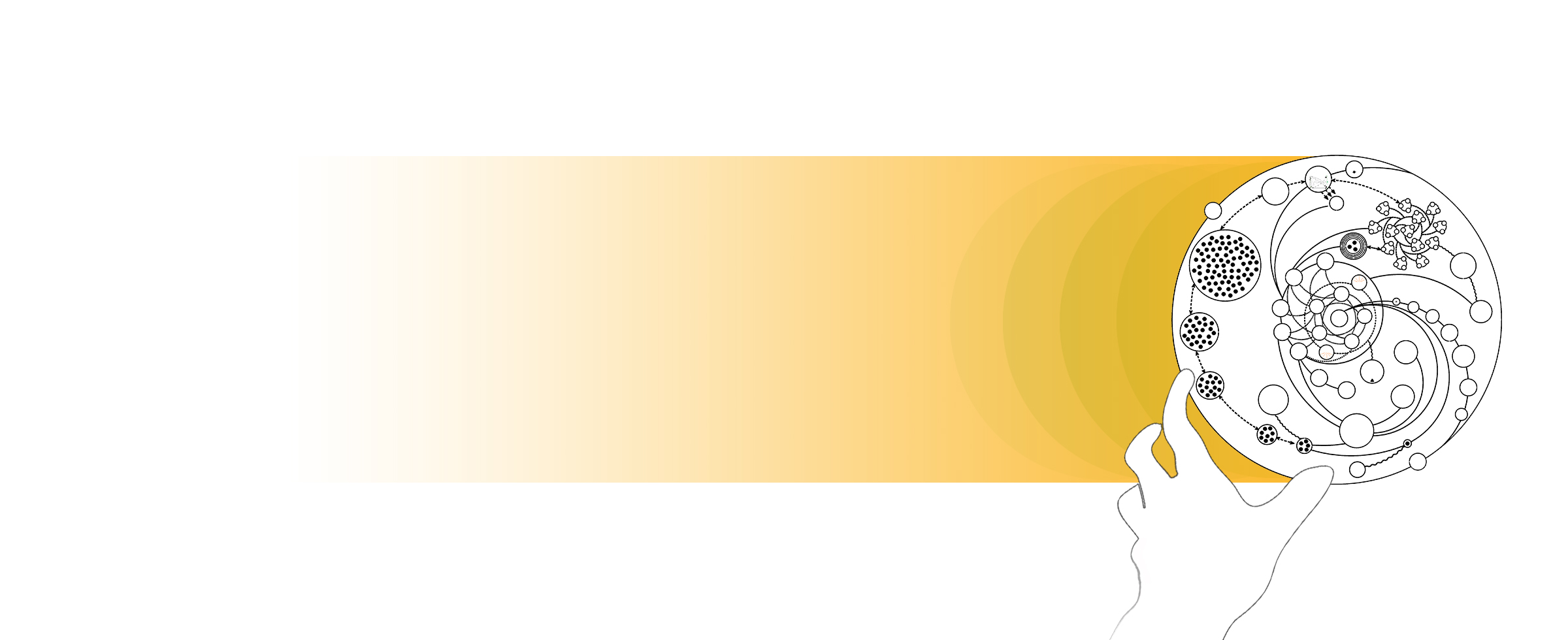
Transition / Eutopia Greenprint Open-Source Beta Version 01
Transition to Eutopia in a nutshell
- Gather the COW
- Cause a tipping point of consciousness/wait for crisis and hope.
- Establish a Local to Global Polycentric Governance and Citizen’s Assembly system.
- Produce a comprehensive Environmental Audit.
- Establish a resource-based FREEconomy supported by a Universal Basic Income, Universal Basic Services and GRREE budget.
- Create the UE portal / citizen interface blockchain wallet.
- Transition from ownership to stewardship.
- Use TEQs/TRQs
- Stop polluting / clean up our pollution.
- Live happily ever after.
Transition to Eutopia in a smaller nutshell
- Listen to the science and act with love. If we understand reality and look at any problem through love, we will care for ourselves, each other, and the biosphere.
- (Greenprint entree on ‘Love’ is conspicuously missing).
Resources
Making good goods / Dealing with waste that isn’t waste
Materials go from ‘cradle to grave cradle’ (unless it’s compostable, there is no grave for Eutopian materials).
No large-scale system (neither for disposal nor to generate energy) may be based on materials being buried or burned (BOB). Small-scale burning of biomass (in the home, for example) should be minimised or eliminated, where possible.
There are two types of ‘waste’ materials, and they should have a financial value:
- Valuable for quarantine, such as nuclear waste, PFAS chemicals, and microplastics. A large part of the GloWS budget will be directed towards dealing with our toxic waste, incentivising private as well as institutionally planned UE initiatives.
- Valuable for reuse and recycling. We’re not aiming to recycle everything better, but to create little to no single-use packaging/goods in the first place (again largely resolved using TEQs or TRQs*). Any remaining/unavoidable single-use materials in the system can be part of a deposit scheme to incentivise proper disposal since – as we see with street littering – many of us cannot be trusted with materials that have no perceived value.
The Cradle: TEQs will ensure lower energy inputs when producing goods. TRQs and the timeline of Grey Resource decent will inform producers which materials can be used. Following the No BOB principle above, stricter controls for what materials can be used will quickly come into force (no local authority wants mountains of unrecyclable PVC plastic piled up around the city). The ‘Transitioning Economy’ model (below) makes creating clean, durable, fixable, dismantlable products with reusable materials in every individual’s interest.
Consumers with limited resources, i.e., TEQs and TRQs, are also more likely to gravitate to more durable/home-repairable/jugaadable288 products, which will encourage more intelligent designs, and discourage planning obsolescence into the lifetime of products. No BOB will create loads of meaningful repair/recycling occupations, while reducing hours of tedious factory labour. We also really need to avoid mass-producing garbage in the first place! Products could then be tested and approved by experts, or a ‘Product testing citizens’ assembly, for durability/home-repairability/jugaadable before reaching the market. Or, as a serious disincentive for producing rubbish, products could risk termination from the market should a rating made by verified consumers (on the blockchain) fall below a threshold. The incentive to rush poorly considered products out of a workshop/factory in order to turn a quick profit by individuals is also mitigated by the UBI and UBS.
We will drastically lighten our footprint and save a huge amount of time when fewer raw materials are harvested, transported, manufactured into packaging, transported, wrapped around a coconut, transported, bought, transported, unwrapped and dumped or collected (i.e., transported), to be burned or buried, or if the packaging is lucky: recycled at a further environmental cost to begin the process again!
Optional: a rating system could be applied to healthy and unhealthy food. Sugar (which has been deemed as unhealthy as cigarette smoking and carries externalities, such as hospital bills) may carry a higher TRQ value.
Depending on how long we’ve delayed taking action, will influence the level of emergency for changing our behaviour. The greater the emergency, the more we will need to rely on TEETS for example, rather than TEQs/TRQs etc.
We will likely need to power machines that draw greenhouse gases out of the atmosphere, assisting photosynthesis314, so any energy – Green or Grey saved, saves the world.
*Most foods – rice, herbs, oil, pesto, and soap, for example, can be decanted from large drums – sealed for hygiene and freshness. Customers bring their own containers, or a deposit scheme for reusable containers may be organised. There are shops already doing this on a small scale, and most local markets the world over present goods in this way.
The deposit scheme could also be facilitated by the TRQs system. A plastic bottle may have the value of, for example, 1 TRQs, payable and redeemable in shops.
Please try using the (efficient) ‘Six Thinking Hats’ method of parallel thinking for sharing your ideas.
It helps us to organise our thoughts and feelings. Wear the Black Hat for critisism/doubts; the Green hat for creative suggestions; the Yellow for positive responses, Red for gut feelings; White for information. I am wearing the Blue Hat now, when I say we are here to design Eutopia.
Simply write ‘Black’, ‘Yellow’, ‘Green’, etc, before your given response. Then, start a new paragraph for ideas of a different coloured hat.
Add Suggestion / Improvements